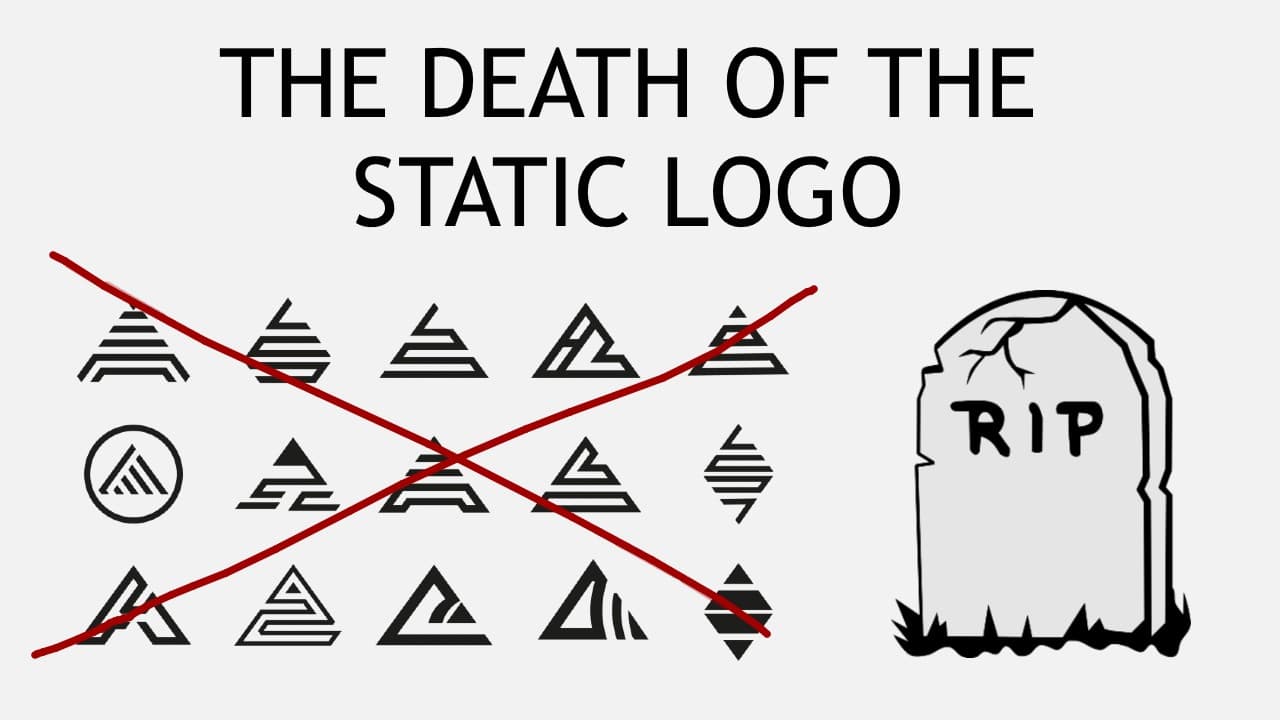
The Death of the Static Logo
Let's be real: digital marketing is broken. Instagram engagement is down to 0.45%. Facebook? 0.20%. People spend over 2 hours a day scrolling through seven different apps, and they've gotten really good at ignoring ads.
The era of "clean, minimal branding"—you know, those flat logos and generic illustrations everyone uses—is over. TikTok killed it. People are tired of boring.
What's working now? Brand mascots.Why Mascots Actually Work
1. Your Brain Loves Faces
Here's the thing: you're wired to notice faces. It's a survival instinct. When you see a face (even a cartoon), your brain reacts instantly—faster than you can think about it.
What this means for your brand:
- Mascots make people stop scrolling
- They trigger real emotions (logos can't do that)
- People remember them 6x better than text
2. It Feels Like Friendship
When Duolingo's owl roasts you in the comments, your brain reacts like a friend is teasing you. It feels personal, even though it's a brand.
People don't trust big companies anymore. But they trust "people"—or things that act like people. A mascot that posts memes, reacts to trends, and has personality? That builds the same trust as an influencer, without the drama.
3. Cute Stuff Wins
Big eyes, round faces, soft features—these make us want to protect and care for things. That's why Salesforce's Astro raccoon works so well. It makes scary enterprise software feel friendly.
The "Unhinged" Marketing Revolution
The brands crushing it right now aren't playing it safe. They're going wild.
Case Study: Duolingo
Duolingo turned their friendly owl into a chaotic celebrity:
- Posts about stalking Dua Lipa
- Fake "death" stunts that broke the internet
- Threatens users who skip lessons
Case Study: Ryanair
The budget airline doesn't apologize for being cheap. Their mascot (literally a plane with human eyes) roasts complaining customers in the comments.
This brutal honesty? Gen Z loves it. It feels real and confident in a world full of fake corporate BS.
Case Study: Nutter Butter
Nutter Butter went full weird—posting creepy, surreal content that looks like fever dreams. It's strange. It's unsettling. And it makes people stop scrolling.
Proof that mascots don't need to be cute. They just need to be memorable.
B2B Brands Can Win Too
Think mascots are just for kids' cereal? Think again. They might be even more powerful in B2B.
The Problem: Everything Looks the Same
B2B tech companies all use the same stock photos, the same generic illustrations, the same buzzwords.
But you'll remember "the one with the space raccoon" (Salesforce) or "the one with the winking chimp" (Mailchimp).
How Salesforce Does It
Salesforce created a whole cast of characters (Astro the raccoon, Codey the bear, Einstein). These characters:
- Help users learn the platform
- Show up at conferences (grown adults line up for photos)
- Make complicated software feel less scary
Building Mental Bookmarks
B2B sales take 6-18 months. Most of your audience isn't ready to buy right now. Your job? Stay in their head.
A good mascot is a mental bookmark. When that budget meeting finally happens, they remember you first.
The SEO Secret Nobody Talks About
Here's what most marketers miss: mascots drive organic traffic like crazy.
1. People Search for Them
When your mascot goes viral, people Google it:
- "Duolingo owl"
- "Geico gecko"
- "Salesforce raccoon"
High search volume tells Google you're important. That boosts your entire site.
2. You Own Image Search
Google Lens is blowing up. A mascot creates thousands of images that show up in search results.
3. Free Press
When mascot content goes viral, blogs and news sites cover it. When Duolingo "killed" their owl, thousands of websites linked back to them.
Entertainment that gets you backlinks? That's gold.
4. People Stick Around
Sites with mascot guides (like Salesforce) keep people reading longer. Google sees this and ranks you higher.
Why AI Changes Everything
Traditional mascot marketing was crazy expensive:
- $10,000-$15,000 per minute of animation
- 4-6 weeks to make a single video
- Can't keep up with trends
The New Economics
| What You Need | Old Way | AI Way (Whytheduck.com) |
|---|---|---|
| Character Design | $2,000-$5,000 | $29 |
| 3D Model | $3,000-$10,000 | $100-$200 (Custom order) |
| 1 Minute Video | $10,000-$15,000 | $29 |
| React to a Trend | $500+ (too slow) | $29 (in seconds) |
The One Big Problem (And How to Fix It)
Generic AI tools like Midjourney can't keep your character looking the same. One day it's a blue duck, next day it's a green chicken.
The fix: Specialized studios (like us) use special techniques to lock in your character's look. You get:- The same character every time
- Any pose or style you need
- Ready in hours, not weeks
You get AI speed with studio quality.
What's Coming Next
We're heading toward a world where mascots run themselves:
- Always Online: Mascots powered by AI that reply to comments and post 24/7
- Live Streams: Your mascot hosting weekly shows, demos, or Q&As
- Personal Touch: Different versions for different audiences while staying recognizably "you"
Bottom Line
Static logos are dead. Corporate polish is dead. Nobody has time to care about boring brands.
Mascots fix this:- They grab attention instantly
- They build real emotional connections
- They drive traffic and backlinks
- They're 95% cheaper with AI
- They're the only way to feel human in a world of AI
The winning brands won't be the prettiest. They'll be the most memorable.
And memorable = money.